Cannabis App Development
Customizable Cannabis Dispensary Apps vs. Mobile Apps from All-in-One Platforms
Posted by: Digital Awesome
May 30, 2025
Which one should you go for?
Nowadays, dispensaries are turning to mobile apps to deepen customer loyalty, streamline operations, and drive eCommerce growth. But one critical decision dispensaries face is whether to sign with an all-in-one platform that bundles a mobile app with its proprietary systems—or to go with a customizable, modular approach from a dedicated development partner like Digital Awesome.
This decision can shape everything from branding and customer engagement to tech flexibility and long-term scalability. Here, we break down the pros and cons of each route, with a specific lens on key factors like retail software connectivity and long-term flexibility.
The Rise of Cannabis Mobile Apps
Mobile apps are no longer a novelty for dispensaries, they are a critical tool for staying competitive these days. A cannabis mobile app can:
- Streamline mobile ordering and in-store pickups
- Integrate loyalty programs to retain customers
- Enable push notifications for promotional campaigns
- Serve as a dedicated brand touchpoint in a saturated market
Yet, not all cannabis mobile apps are created equal. The decision of how it's built and what ecosystem it ties into will define its performance and potential.
The Pros and Cons
Apps From All-in-One Platforms
Many all-in-one ecommerce and loyalty platforms in the cannabis industry offer mobile apps as part of their slew of services.
Pros:
Fast Launch
All-in-one platforms often promise launch timelines as short as 30 days. This speed is possible because they use templated builds with their own pre-integrated POS, eCommerce, and loyalty systems.
Turnkey Convenience
With bundled services like ecommerce, POS, and/or loyalty dispensaries can get a full tech stack from one provider.
Centralized Support
Since all services are from a single vendor, there's one support team to contact when issues arise, which can streamline troubleshooting.
Cons:
Limited Flexibility and Customization
These platforms often restrict integration to their own proprietary systems. That means dispensaries can’t plug in third-party tools they prefer or are already using. Want to switch loyalty providers or use a different POS? You're out of luck.
Non-Native or Limited Native Apps
Many of these solutions rely on hybrid frameworks or limited native capabilities, which can hamper performance, reduce responsiveness, and limit the scope for unique UX/UI features.
Scalability Restrictions
As dispensaries grow, they often find these all-in-one platforms don’t scale with them. Custom workflows, API access, or deeper data analytics may be restricted or come with high fees.
Branding Limitations
While you can upload your logo and brand colors, the app itself often remains within the design and functionality boundaries set by the platform, diluting brand differentiation.
Customizable Modular App Development
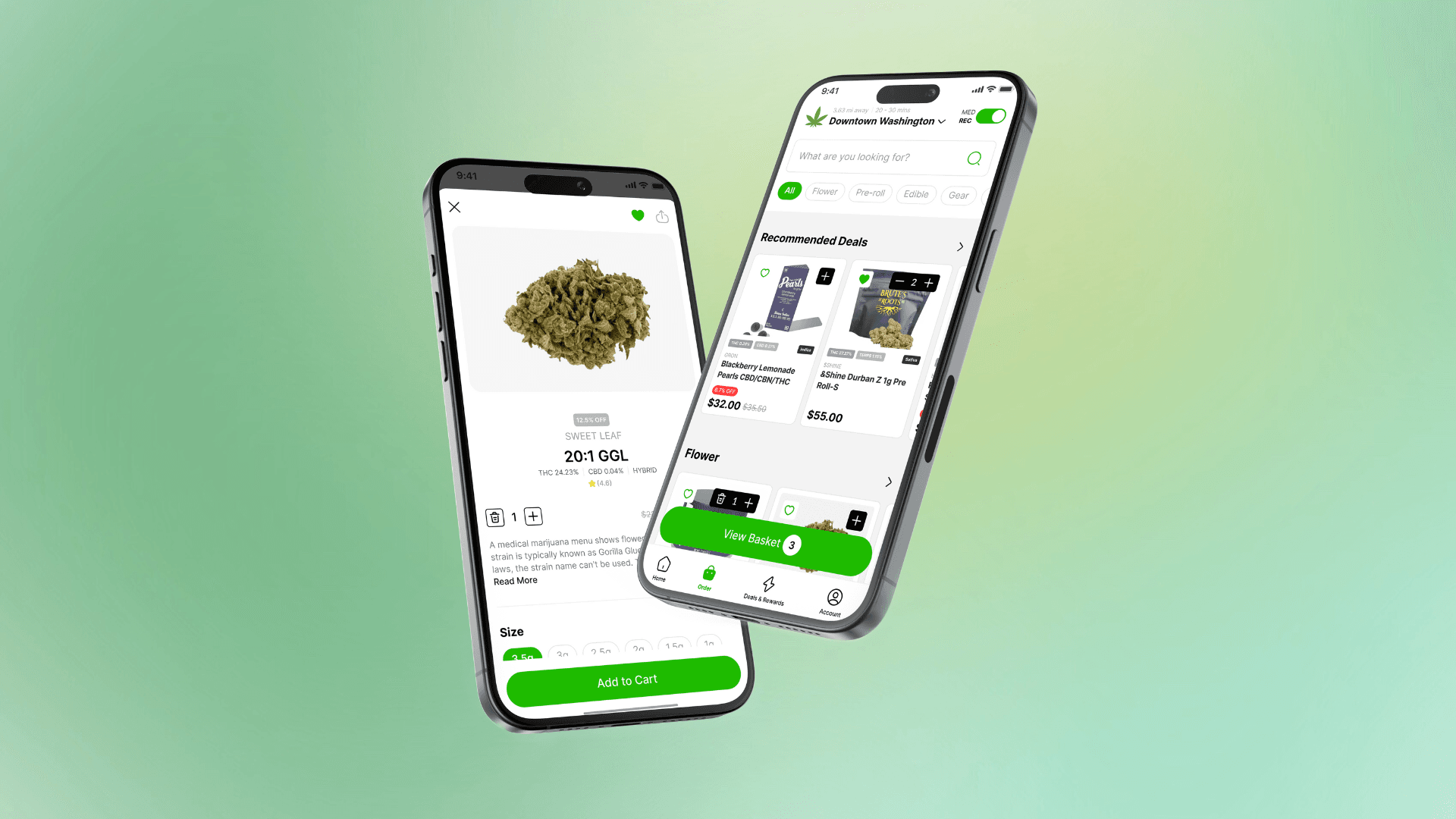
Modular mobile apps are designed to let dispensaries easily integrate various software solutions and enjoy greater customization options. This flexible setup allows multiple tools to work together within a single app, enabling added layers of functionality that make the user experience more engaging and help boost conversions.
Pros:
Full Integration Flexibility
Developers like Digital Awesome build modular dispensary apps that integrate with your existing systems—whether it’s a preferred eCommerce provider, loyalty engine, POS, or delivery platform. You can mix and match tools based on what works best for your business.
Easy API Switching
Need to change services down the road? With API-based modular builds, it’s straightforward and cost-effective to swap out integrations without rebuilding your app.
Native App Performance
Native mobile apps deliver better performance, offline functionality, and smoother user experiences. They also open the door for more advanced features like geofencing, biometric login, and push notifications tied to behavioral triggers.
Tailored Branding & User Experience
A customizable app offers greater control over design and user experience (UX), allowing dispensaries to create experiences that closely align with their brand identity, retail approach, and customer engagement strategy.
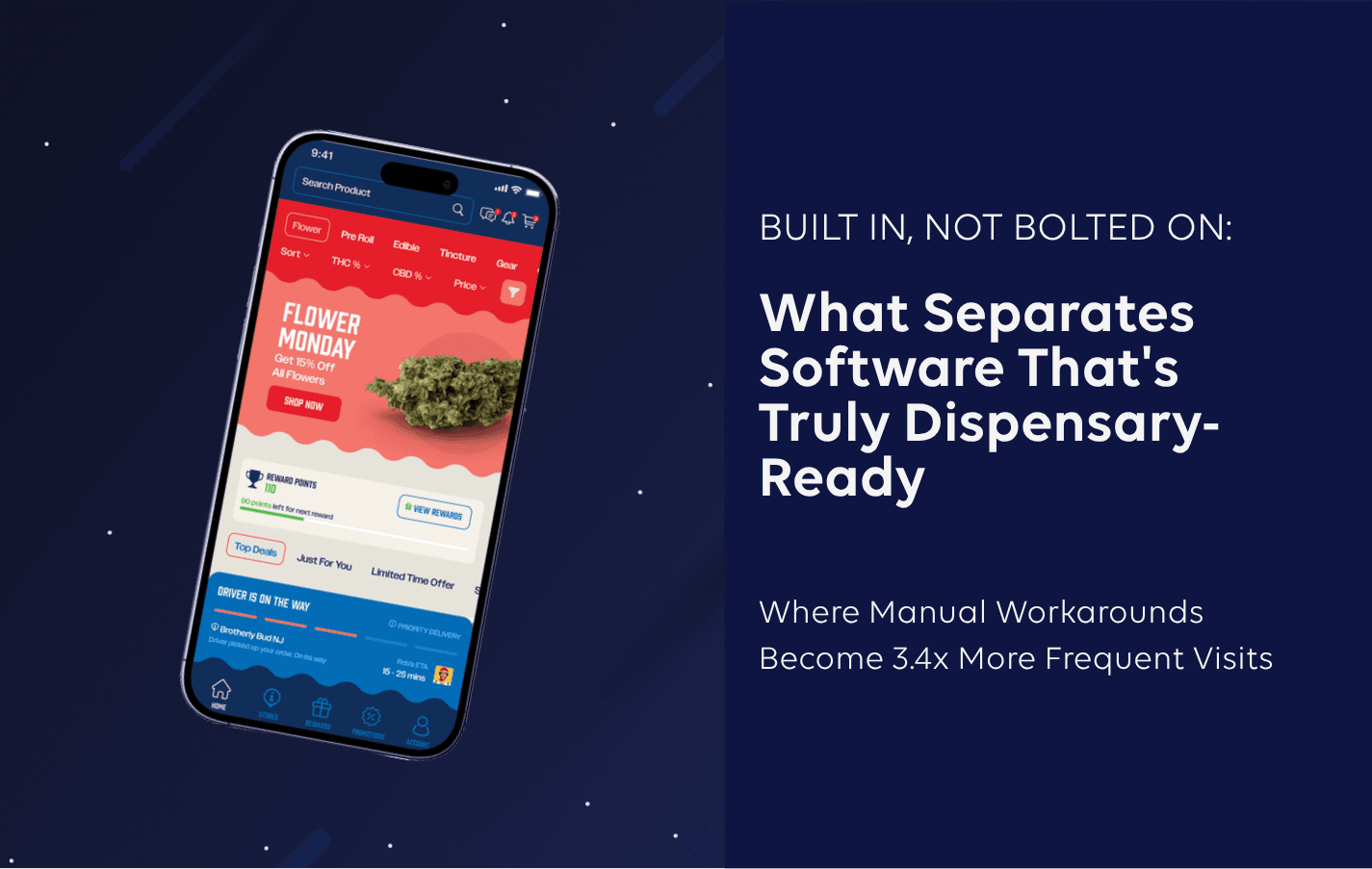
Just like mobile apps built on Digital Awesome’s DispensaryMate platform let dispensaries add a layer of fun through gamification features such as in-app games, achievements, and daily spins. These interactive elements make shopping more enjoyable and profitable. Unlike those from all-in-one platforms, DispensaryMate supports feature stacking which is often limited by the restrictions of less flexible mobile app development models.
Scalable Infrastructure
As your business evolves, your app can too—add new features, expand to multiple locations, or roll out new customer engagement tools without hitting vendor-imposed limitations.
Strategic Customization with Business Alignment
While customization may require more upfront planning, it ensures that the branding, user engagement, and features are dialed in with the dispensary's retail strategy.
By working with their own creative assets and brand guidelines, dispensaries can build an app that resonates deeply with their audience. This attention to detail not only enhances customer experience but also helps avoid wasted investment in tools that don't match their long-term vision.
Cons:
Moderate Build Time (But Still Reasonable)
A customizable native app may take up to 60 days depending on complexity—longer than all-in-one platforms, but significantly shorter than traditional software builds that can take 6+ months.
Greater Initial Planning Required
Because you’re not plugging into a predefined ecosystem, upfront planning is essential. This includes mapping integrations, defining user flows, aligning branding and content strategy, and working with your own creative assets to ensure the app is engaging and cohesive with your brand identity.
Vendor Selection Matters
Success hinges on choosing a development partner with cannabis industry expertise, API experience, and a collaborative approach.
Key Considerations for Dispensaries
How Locked-In Do You Want to Be?
Choosing an all-in-one platform means committing to its ecosystem. Custom modular builds let you evolve without tech lock-in.
What’s Your Brand Differentiation Strategy?
If your mobile app is central to customer engagement, promotions, or community-building, a customizable approach gives you more freedom to shape that experience.
What Tools Are You Already Using?
Many dispensaries have already invested in best-in-class POS, loyalty, or eCommerce solutions. With modular builds, you don’t have to rip and replace apps.
Are You Planning to Scale?
As you expand to new locations or introduce new services, flexibility becomes essential. Customizable apps can grow with you.
How Important Is App Performance?
If app speed, responsiveness, and native features like push notifications or biometric login are crucial to your strategy, a customizable native app is a must.
Conclusion
If you're a dispensary looking to grow through mobile technology, flexibility is key. All-in-one platforms may offer speed and convenience at first, but they often fall short on customization and scalability. That can leave you stuck with a stagnant app or facing higher costs down the line.
A modular, customizable cannabis app offers a better path. It empowers dispensaries to create a digital experience that truly reflects their brand, integrates with their favorite tools, and adapts as the business evolves.
Want to build an app that grows with you?
Start with a discovery chat with Digital Awesome—the creators of DispensaryMate, the leading mobile app and engagement platform built with modular integration specifically for dispensaries.